Circus History and Origins - From the First Circus
Since ancient times, the human race has needed entertainment. Circuses of different forms have existed since then. In the 18th century, what we can recognize as a circus appeared, and it has stayed until today with the necessary evolvement that time brings.
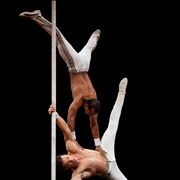
Contemporary circus is a relatively new subtype of circus (some 50 years relative to 250 of a traditional circus) that mixes elements of its predecessor with higher art and different types of media. Here you can read more about contemporary circus.
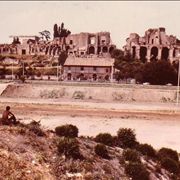
The Circus Maximus (or in Italian Circo Massimo) was one of the greatest entertainment venues of the ancient world. It was used for entertainment and in religious purposes. Some consider it as a predecessor of modern circuses. Today is a city park.
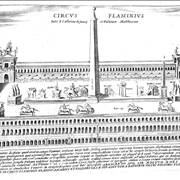
Although almost nothing has left Circus Flaminius today, we know that it existed and was a significant public place for hundreds of years where games and other general businesses were held.
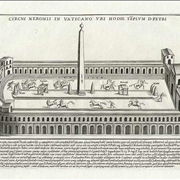
The Circus of Nero began as a place for public training of Caligula and Nero and became a place of martyrdom for many early Christians. It became a place of not one but two basilicas when it was abandoned. Here you'll be able to find out more about this circus.
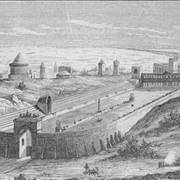
The Circus of Maxentius is the best-preserved circus from ancient Rome. It was designed and built with great care but was little used. Because of that, we can today see, in great detail, what ancient circuses looked like. Here you can read more about this ancient circus.
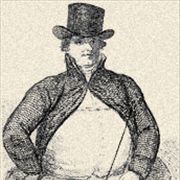
Philip Astley combined two types of shows: horse riding tricks and acrobatic acts, into a style we know today as a circus. He owned many small circuses and three large ones: in London, Paris, and Dublin. Could you read more about the father of the modern circus?
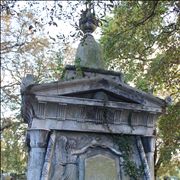
Andrew Ducrow was known as a “king of mimics” and as “the Colossus of equestrians. Since the early days, he was trained in various circus skills, in the end, earn these titles.
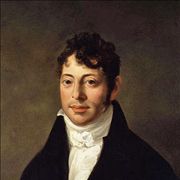
Joseph Grimaldi invented the clown as we know it today (a joy for some and deathly fear for others). He lived on the stage since his second year and left everything that was his. Here you can read more about Joseph Grimaldi.
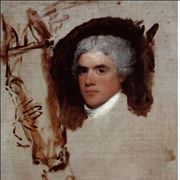
John Bill Ricketts brought circuses from Europe to the United States. He worked successfully for seven years until a misplaced candle burned his business, and he lost his money and life at sea. Here you can read more about John Bill Ricketts.